

Autocross
Timed competition in your daily driver
Drive your own car through a technical course laid out with traffic cones on a track or other large paved area. Cars are spaced apart from each other, speeds stay under 70 mph, and you get multiple runs to improve.
Novice Guide
We love Novices! At some point, every person you see at an event was once a Novice. We all know it can be a little intimidating showing up at an event with no experience. So, we’ve created a Novice Program focused on two things: Keeping you safe, and getting you faster!
We consider anyone with less than 1 year, or less than 10 events of autocross experience eligible to sign up as a novice. When you register as a Novice, that “N” on the side of your car entitles you to a lot of attention and instruction. Our Instructor Pool is made up of experienced drivers who want to help you get faster on course, while making sure you’re staying safe. There is no better way to improve your autocross skills than to get as much instruction as possible.
Before the Event
Register as a Novice
Novices will be put into a separate “Novice Grid” in every run group. Before your first run, you’ll ride along with an experienced driver in their car. Then an instructor will ride with you until they feel confident you can attack the course on your own, or as long as you want more instruction.
When registering on motorsportreg, select the “Novice (NOV) PAX” option, this is how we will know that you are a novice.
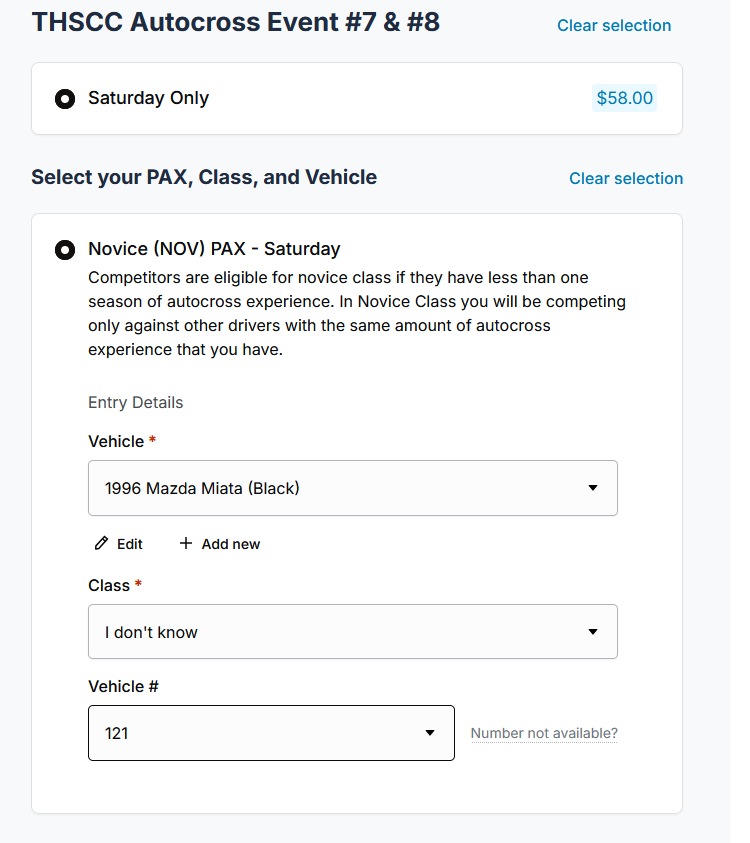
Check the THSCC rules for car classing info and after selecting “Novice(NOV) PAX” select the class your car should be in, if you are unsure you can ask us or sign up with your class as “I don’t know”.
Get Your Car Ready
Every car will be inspected on the morning of an autocross event once you arrive.
Check our tech inspection page for details on all of the things that will be checked.
Your car should be in generally good condition, not leaking or smoking, your battery needs to be fastened down, and your brakes, suspension, and tires should be in good condition.
Unsafe cars will not be allowed to run, so double check and if you have any questions ask us.
Make sure you have enough gas, ¼ tank is enough for most cars to make it through an event, but if you’re unsure how much you need there is no harm in having more.
Class and Numbers
During the event, you must mark both sides of your car with the class and numbers you registered with, plus an “N” since you’re a novice.
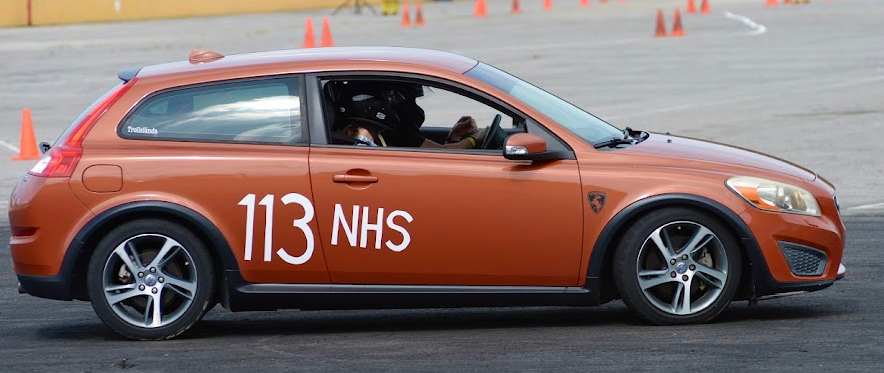
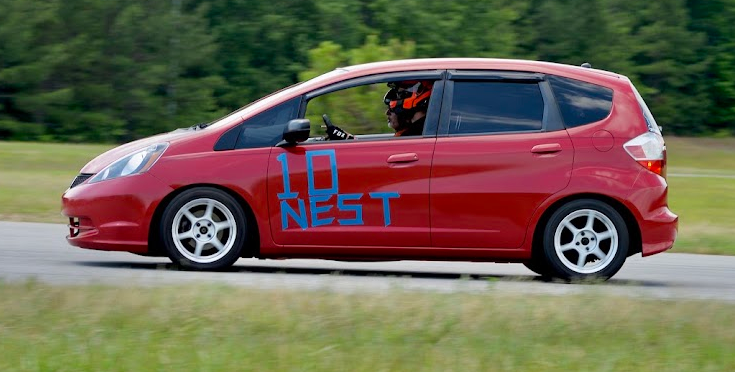
Good Examples (number and class are Large, clear, and easy to read regardless of method of marking car)
 |  |
|---|
Numbers must be at least 8” tall.
Class Letters must be at least 4” tall.
You can use masking tape or other tape as long as it contrasts with the color of your car’s paint.
Tape or shoe polish on your windows is not allowed.
You can print out numbers and letters on regular paper and tape them to your car.
Helmet
If you bring your own it must have a new enough SNELL, SFI, or FIA certification. Check the tech inspection page for more details.
If you don’t have a helmet it’s okay, we have loaner helmets but they have to be shared. Consider bringing a headsock.
Bring Everything you Might Need
You are going to be outside for a long time, check the weather and bring everything you might need
Sunscreen, sunglasses, hat
Rain Jacket, poncho, (Umbrellas can be used in paddock and while spectating, but not while you’re working the course)
Tarp. You will have to take everything out of your car while autocrossing, so if it’s going to rain you need something to cover and protect all your stuff.
Temperature appropriate clothing
Thin soled shoes that are good for driving, like driving shoes, wrestling shoes, indoor soccer shoes, sneakers etc.
Driving gloves. Some people use them, some people don’t, it’s up to you. Sometimes it gets hot out there, and sweaty hands can ruin a good run.
Consider bringing a second pair of shoes that are comfortable to walk and stand in for long periods of time.
Folding Chair
You can bring and set up a canopy if you want, but it must be properly tied down, if it blows away and hits someone’s car you are liable.
Water and snacks, we will bring water and you may have time to go get food somewhere nearby, but sometimes at race tracks out in the country there is nothing nearby
Tools. Not necessary, but most autocrossers will bring a tire pressure gauge, an air compressor, cable ties, and a small assortment of wrenches, sockets, etc.
Get Yourself Ready
Autocross starts early in the morning, make sure you are well rested, hydrated, and ready for a long day.
Check some guides for novices about how to navigate an autocross course.
A Typical THSCC Event Day for a Novice
(The schedule varies, check the schedule specifically for the event you are attending.)
7:30AM - 8:30AM: Gates Open, Arrival, Check In, Prep
It’s best to arrive as early as possible to give you the most time to prepare. You should show up 15 minutes before the mandatory novice walk at the absolute latest.
If at any point you are unsure what to do, ask someone. Staff members will be wearing orange shirts, but most non staff members will also be able to help.
When you arrive at the gate, everyone in the car will sign a waiver, tell the gate-worker if you are a novice or a spectator. They will give you the appropriate wrist bands.
Park your car in the “Paddock", this is whatever area has been designated for parking. Ask the gate-worker where if you are unsure.
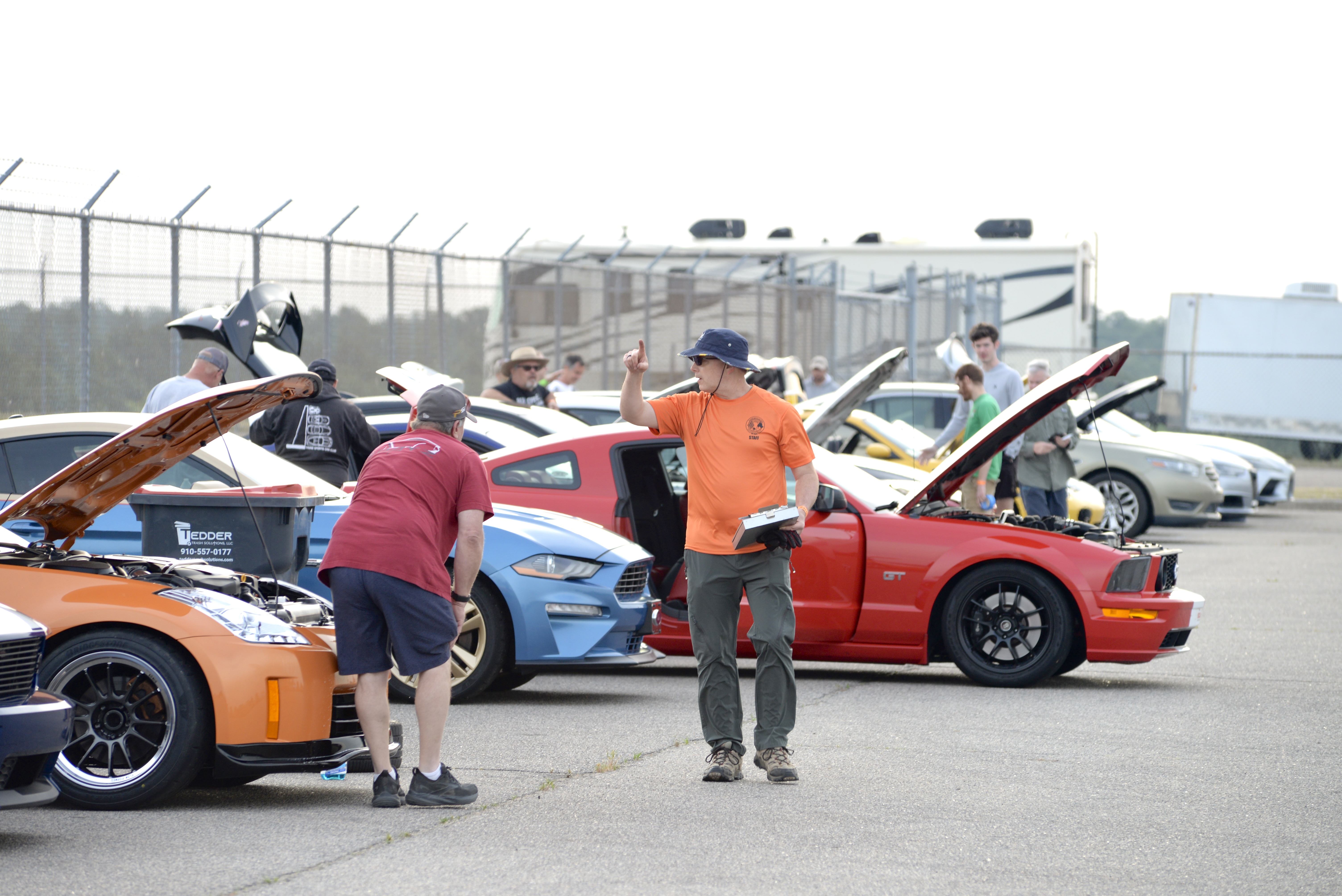
Once parked get your car completely ready for the day and for roving tech inspection, empty all loose items from the car, put on your class and number markings, leave the doors unlocked, leave your helmet on the drivers seat, do any other prep you need, and pop the hood and trunk lid. This will signal to the tech workers that you are ready for inspection.
Go find the check in sheet, it should be near the start line. The start line will be near the orange trailer. Find your name and if there are no issues with your registration details check it off. If there is an issue, talk to the registrars who are working in the orange trailer.
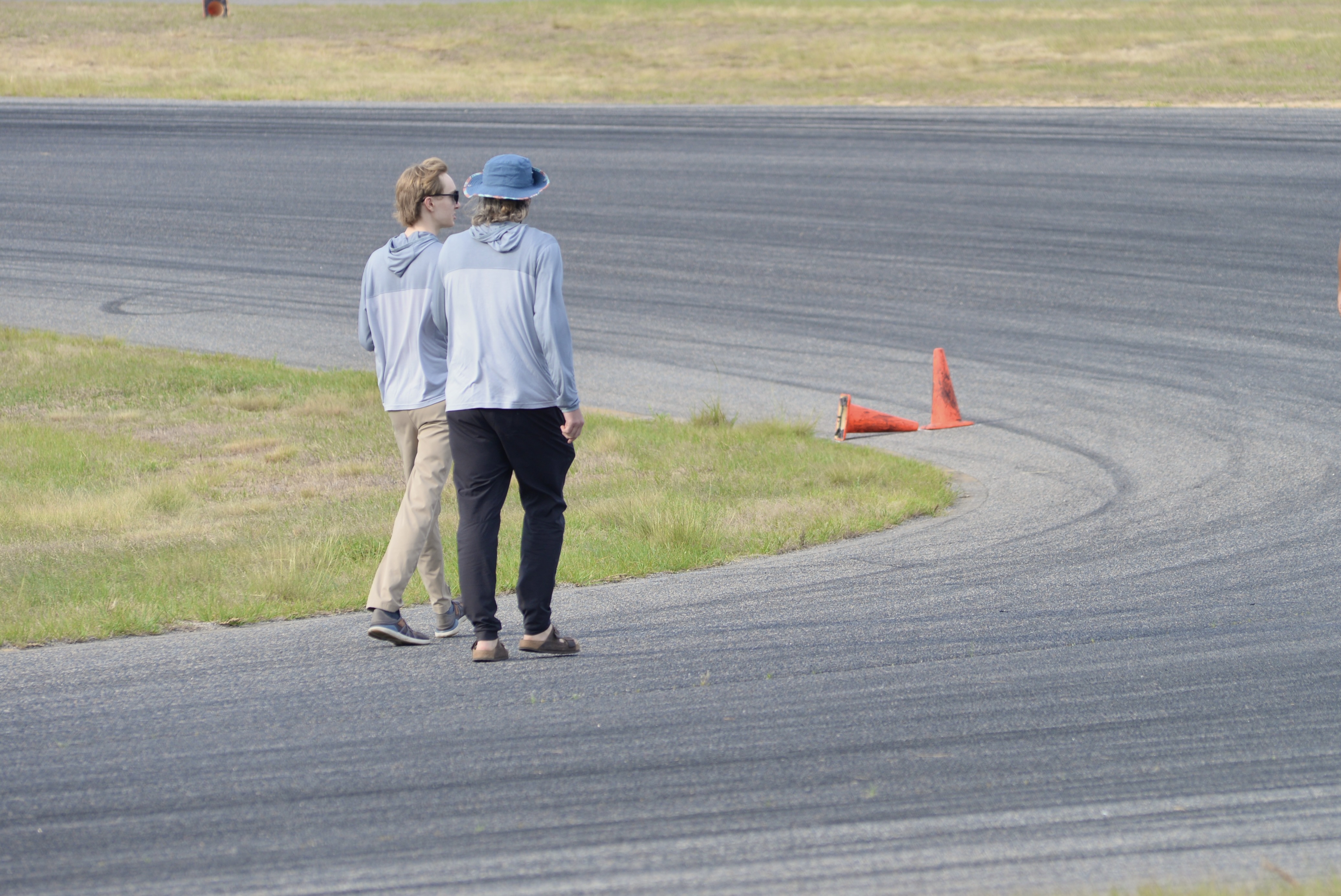
Walk the course, you will see people doing this. They are walking through the cones following the path that they will drive with their car. Do this as many times as you can, ask someone if you can walk with them. There might also be Novice Instructors looking for novices to take for walks.
Look at all the cool cars and talk to people, most are friendly and like to talk about autocross.
8:45AM: Mandatory Guided Novice Walk
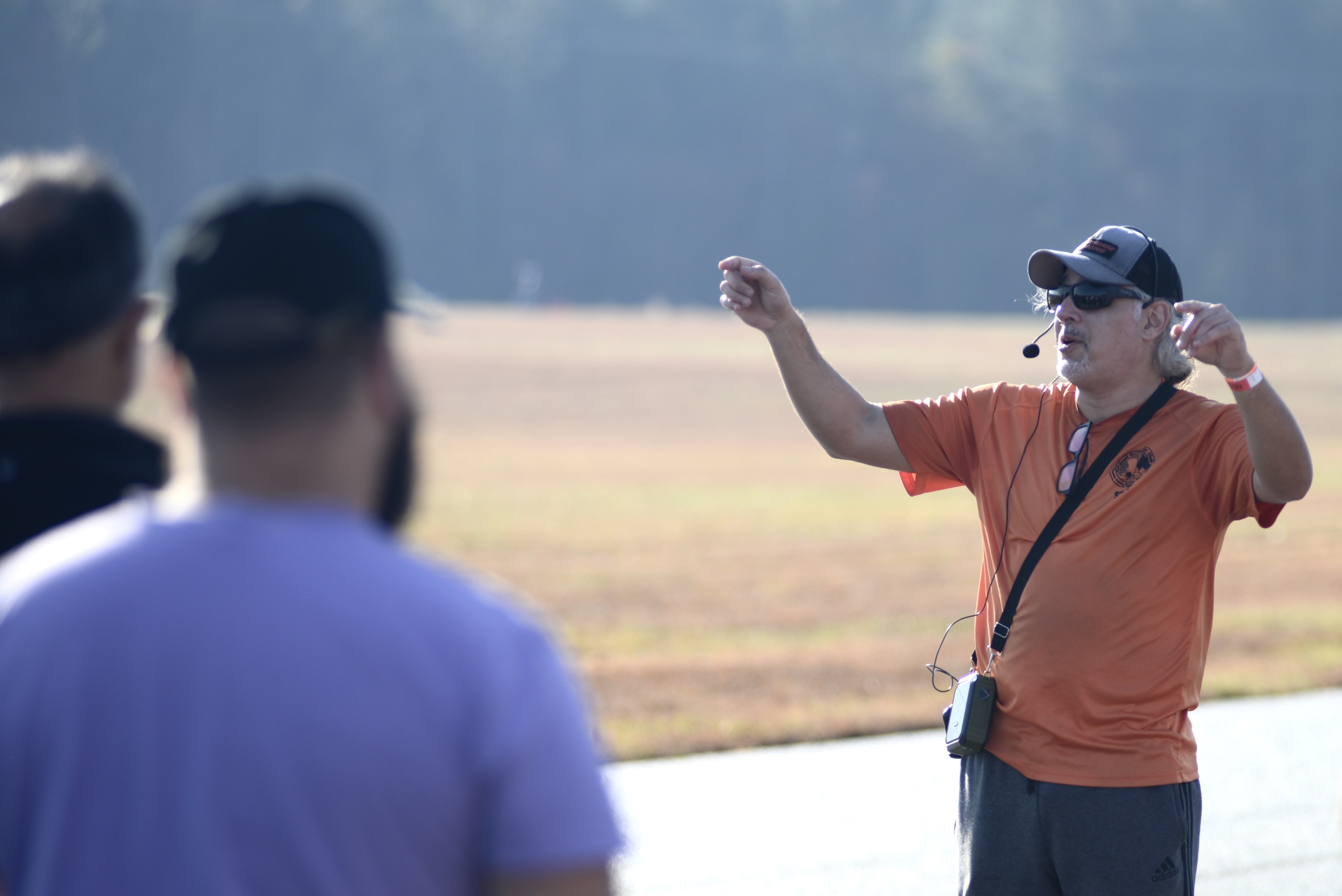
All novices must report to the orange trailer at 8:45AM. Spectators and non novices can also come if they want.
You will go for a course walk with one of the Novice Coordinators, they will guide you on things to do and to not do during your runs.
Follow them closely to be able to hear them and see the things they are talking about.
Ask questions.
9:30AM : Mandatory Driver’s Meeting
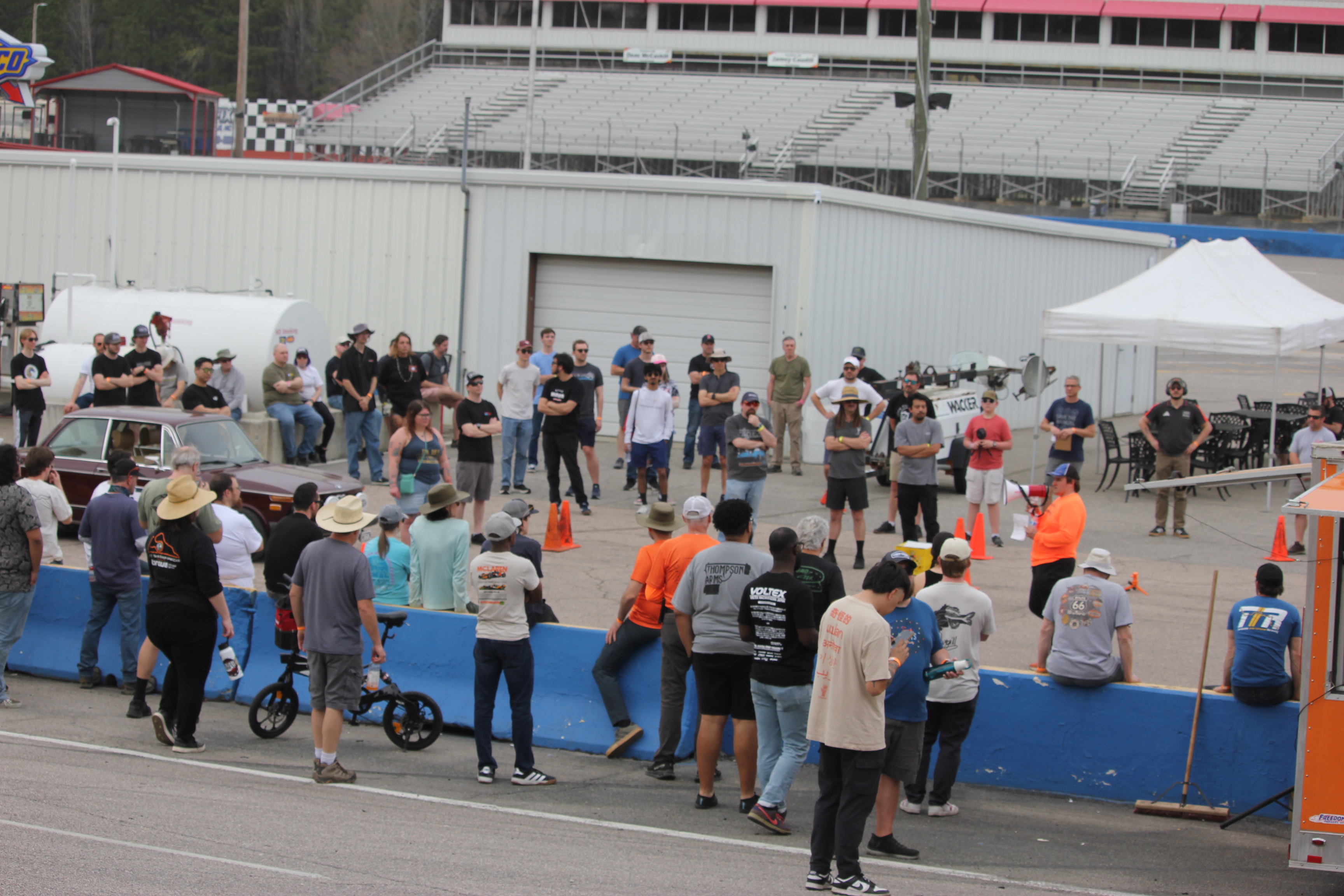
All participants must come to the orange trailer for the drivers meeting.
There will be announcements about the schedule and safety considerations.
2 or more Run/Work groups and the order they drive in will be announced. These are the groupings that will determine your schedule.
Listen for your base class, for example if you signed up as NGS 94, listen for “GS” or “G Street”. Whoever is announcing will say something like “Driving First, working third: AS, BS, CS, DS, etc. etc.”
The organization of the “Grid” will be announced, this is where you will park your car when it’s your group’s turn to drive.
Post Driver’s Meeting
While one group is driving another is working. We will call for Heat one drivers to get their cars and bring them to grid, and also for heat one workers to report to the yellow tent to get their work assignment.
If there are 3 or more groups, you will also have a free period.
Throughout the day we will announce via text blast and loudspeaker when drivers for the upcoming heat should report to grid, and when workers for the upcoming heat should report to the yellow tent.
If You Are Driving
Once called to grid, go get your car, your helmet, gloves, a bottle of water, and anything else you will need.
Drive to the area in grid designated for novices, this will have been announced in the drivers meeting, or marked with a sign, or there will be a grid worker you can ask.
Once parked, get your helmet and look for someone to go for a ride along with. Some may have their hazard lights on, others you might just have to ask.
After one ride along, go back to your car. Once available an instructor should come find you. From that point on they should guide you through everything.
When ready the two of you will go line up at the start, do a run, come back, and discuss. Then there will be a little bit of time until it’s your turn again and you’ll repeat the steps.
After you finish all of your runs you return to the paddock and park your car.
Often, the order of the day is “Run then Work”, so if you drove first you’re probably working second and you should report to the yellow tent.
If You Are Working
When we call “Heat # Workers, Report to the yellow tent”, make sure you are ready to go work for the entirety of the next heat. Put on sunscreen, visit the restroom, bring a water bottle, and then come to the yellow tent.
At the tent will be a Worker Coordinator, tell them your name and they’ll tell you what your assignment is. If you have any questions about where to go and what to do, ask them.
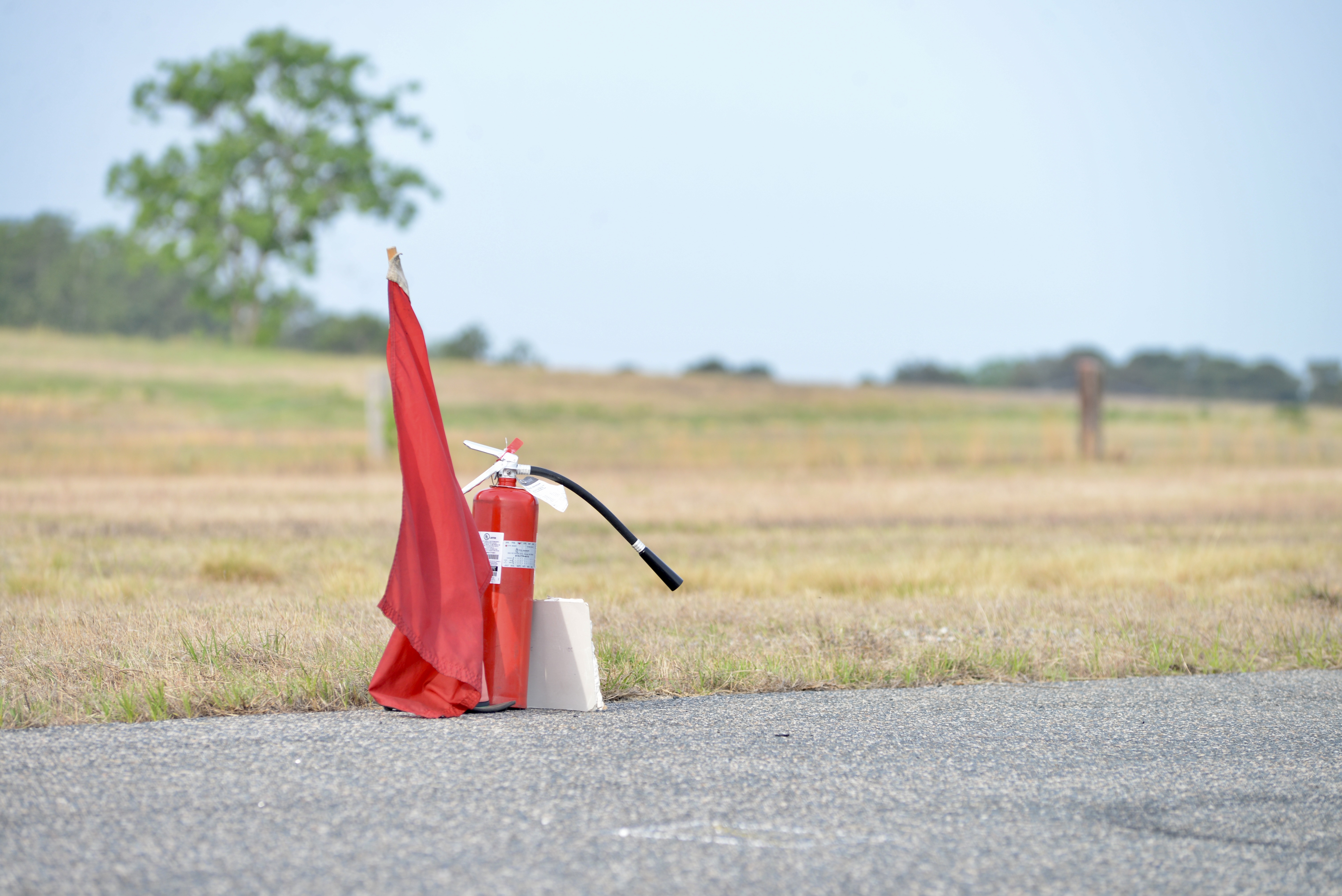
Most likely you will be working course picking up cones if other cars knock them over. You will be sent to work a certain station, check in with the corner captain at that station. The station is where there is a fire extinguisher, a red flag, and a cooler with extra water.
When working the course, always watch the car that’s coming towards you, just in case someone loses control, it doesn’t happen often but you need to be alert and ready to react.
No phones, if you’re seen with your phone out you will be asked to leave.
No sitting, you need to be ready to run out of the way of a car.
No taking pictures, unless your assignment is photography.
If you don’t feel well, or need to go to the restroom or something, tell your corner captain if you can, and then go. We understand that things happen and want you to be well.
Your shift will end one of two ways we will either cold swap or hot swap workers.
If it’s a cold swap, after the last person in that group does their last run, we will announce that all the workers should come back in.
If it’s a hot swap, someone will come out and take your place and then you can head back in.
If You Have a Free Period
Hang out, spectate, grab a snack, go for ride alongs, talk to people, and ask questions. We want you to have a good time while you’re here.
Look for cars with “Taxi” magnets. This means the driver is happy to have you ride along on their runs.
Avoid going for a ride along on the first run if there are not enough cars to take all of the novices in that group on a ride along.
Some drivers prefer not to take passengers on their later runs, when they’re trying to set fast times, so ask early, and don’t feel bad if they say no, they probably don’t mean anything by it.
Even if a car doesn’t have a taxi magnet, you can ask if you could ride along with someone.
End of Day
Once the last car has finished it’s last run, we will announce that the course is cold and ask workers to stack cones.
We will clean everything up, load the trailer, and then have a fun trophy ceremony.
Trophies will be awarded in each class, the number of places awarded will depend on the number of entrants.
Our novice class is usually big! We will often go to sixth place or even higher, so stick around, you might win something!
If you have driven a heat, and worked a heat, you don’t have to stick around, even if other heats are still happening.
On the way home please be responsible and don’t drive offensively or recklessly. Doing so helps us continue to be welcomed back and to keep using the autocross sites.
A Few More Things
Ask Questions
There’s a lot of information to take in at an event. It can be overwhelming. Remember that every Officer, Staff Member and Experienced Driver will be happy to answer any questions you might have. Introduce yourself, ask questions, tell your instructor your level of experience and what your goals are. Be vocal. Be open to learning. Be honest about your concerns. Everyone at the event wants you to have fun, get faster, and come to more events.
Drive Within Your Limits
We ask that all Novices start out at 7/10ths. Dialing back your aggression on your first run makes it easier for our instructors to assess your skill level and determine what you need to work on to improve. Autocross is not about speeding, drifting, or how good you can drive “on the street”. It’s about car control. You will get much faster by letting us build up your aggression run by run.
Attend a Novice School
Each year, we have a Novice School designed specifically for drivers new to Autocross. You get the same great instruction you get at our points events, but you get MANY MORE RUNS. A typical points event gives each driver 4 runs, Novice Schools frequently give each driver over 20 runs!
Novices also have a few special RULES they must follow to keep the events fair and safe:
Novices cannot ride with other novices: Drivers registered as Novices CANNOT ride with one another during competition runs. If something goes wrong, we want to make sure there is an experienced driver in the passenger seat.
You can be asked to leave novice class: We are no longer kicking Drivers out of Novice Class after their first win. But, we do want our Novice Championship Class to be fair. So, if a Driver consistently runs base class-competitive times as a Novice, the Novice Coordinators can ask that Driver to leave the Novice Class. This keeps the playing field level, and discourages any “ringers” who might not be true novices.
You can have an instructor drive your car: It can be very helpful to see what your car can do in the hands of an experienced driver. Our Instructors may ask if you’d like them to drive your car, or you can ask them to. There is no pressure and it is completely optional. And you don’t have to give up one of your runs; the “Instructor Runs” don’t count against you. Our Instructors are told to drive Novices’ cars at 80%. Keep in mind, if your car suffers mechanical, structural, or cosmetic damage, it is not the instructors responsibility to fix it! You should bring a car that’s in good enough shape to handle an autocross event.